 EN
Quick Answer
Start custom shapewear sampling with a defined wearer, use case, garment reference, coverage, size basis and prioritized requirements. Ask the manufacturer to identify its proposed materials, construction and sample deliverables before work begins. Agree what the first prototype is intended to answer and what remains outside its scope.
Treat sampling as a sequence of decisions: confirm inputs, receive an identified version, record evidence, request specific revisions and approve a clearly defined next step. A sample dispatch does not automatically approve grading, bulk materials or production. Keep sample fees, commercial rights, review responsibilities and the route to a pre-production version in the written project record.
What Inputs Does a Manufacturer Need for Custom Shapewear Sampling?
Begin with the product problem rather than a long list of adjectives. State who will wear the garment, what clothing it works beneath or with, and which result matters most. A short intended beneath a fitted work skirt requires different coverage and movement questions from a visible bodysuit. The first brief should make that distinction immediately understandable.
Use your own sketch, an authorized reference or an identified direction from S-Shaper’s product catalogue. Mark the features you want retained and those you want changed. A reference image without comments can leave the developer guessing whether its neckline, material, opening or styling is the important part.
Provide the intended size range and relevant wearer measurements or an agreed starting-size basis. Do not assume a size letter has the same meaning across different garments. Ask which measurements the manufacturer needs and which first-size decisions must precede grading. Identify any important proportions, such as torso length or leg coverage.
Separate requirements from proposed solutions. If the problem is a visible opening, describe where it shows and beneath what clothing. A request for a particular edge technology may be worth investigating, but should not hide the actual objective. The manufacturer can then explain whether a material, construction or dimension change is the appropriate starting point.
Add practical information: intended market, labeling goal, packaging concept, care expectations and the first-order ambition. These do not all have to be finalized immediately, but unresolved fields should be named. A known question is easier to schedule than a requirement discovered after the prototype has already been made.
| Input | Useful content | Decision it enables |
|---|---|---|
| Wearer and use | Measurements, proportions, clothing and movement | Relevant platform and fit review |
| Reference | Marked features and change priorities | A clear design interpretation |
| Material objective | Coverage, hand and evidence needed | Identified alternatives |
| Commercial goal | Own label, intended quantity and market | Appropriate development route |
Which Deliverables Should the First Prototype Include?
Agree the purpose of the first physical version. It may explore a silhouette, an opening or a material relationship without representing final bulk supply. Ask the supplier to identify any substitute material or unfinished detail before dispatch, so the buyer does not approve an assumption that the sample cannot support.
Request a sample identifier and a short construction description. The record should connect the garment with the proposed material, size and relevant pattern or platform. Include the measurement basis and a list of deliberate deviations from the brief. A parcel containing only an unmarked garment makes later feedback harder to interpret.
Identify supporting records that the project actually needs. A material sheet, component reference, measurement page or test result can be useful, but a founder should not demand an unspecified dossier just to appear thorough. Ask which document resolves which decision and whether it is included in the service or separately scoped.
Make the next step visible. If the first sample is only for an initial fit direction, state what evidence is needed before another size, shade or production-material version can proceed. A positive first impression should not silently expand into approval of the complete range.
ISO 10007 provides guidance on configuration management across the product and service life cycle. Its published scope supports thinking about identifiable versions; it does not prescribe the specific startup worksheet below or certify a sample. The practical records proposed here are a buyer’s project arrangement, to be agreed with the supplier.
Source: ISO 10007:2017: configuration-management guidance scope
Agree how each physical sample may be used. A garment reserved as an untouched construction reference is different from one worn repeatedly or used for a destructive component test. If one sample serves several tasks, record their sequence and resulting condition. Do not compare a worn and washed version with a new version while describing both as initial samples. This is a project-control recommendation, not a prescribed laboratory procedure. The buyer and supplier should decide which reference must remain available when revisions are discussed and whether another copy is needed for the factory. That decision belongs in the sample scope before the parcel is dispatched.
First Prototype vs Revision Sample vs Pre-Production Sample: What Changes?
Use stage names to explain a decision rather than assume all factories use them identically. A first prototype can test the initial interpretation; a revision should answer documented comments; a pre-production version should be scoped against the actual order and agreed production inputs. Confirm the meaning in your project before approving anything.
A revised sample is not automatically better in every respect. It may solve the waist issue while creating another opening problem. Keep the old version and compare the intended change as well as the surrounding garment. Record what remains acceptable so the developer does not unnecessarily reopen successful features.
Likewise, a production-material sample may need fresh review if the earlier prototype used another fabric or component. A similar color or composition is not proof that the original fit result transfers. Ask which differences need material or garment evidence and which questions remain before release.
Do not merge physical sample approval with a commercial commitment by accident. State whether the decision authorizes another prototype, a size set, material purchasing or production. The team should know exactly which next action is permitted and what conditions still apply.
| Stage | Main question | Record to preserve |
|---|---|---|
| First prototype | Does the initial interpretation address the brief? | Version, materials, dimensions and known deviations |
| Revision sample | Did the specified change resolve the issue? | Comment IDs, changes and new observations |
| Pre-production sample | Does the agreed order version reflect production inputs? | Final materials, construction, labels and order scope |
| Bulk release | Are the agreed conditions for production met? | Explicit authority and current approved references |
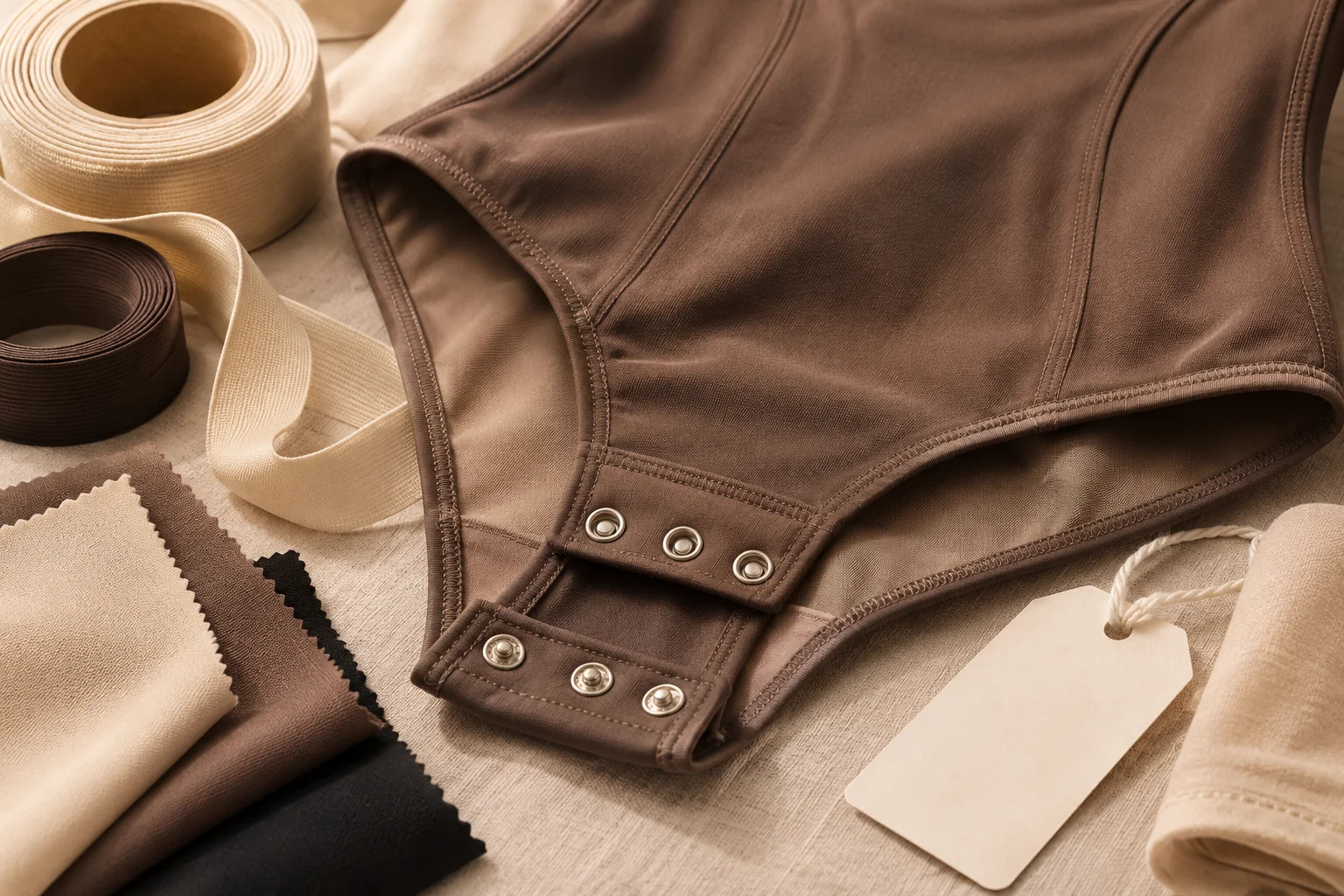
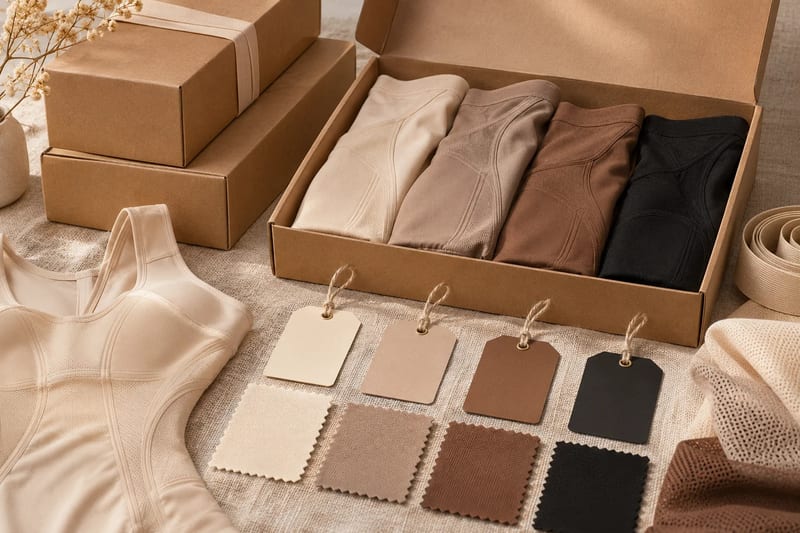
Illustrative sourcing and product-development scene. Click to continue the related buyer guidance.
How Can a Startup Plan Sampling Work Without Inventing a Universal Timeline?
Map the decisions and dependencies before estimating the calendar. Material confirmation, pattern work, a physical sample, buyer review and another revision are distinct activities. Some can overlap; others depend on a decision. A production duration quoted for one stage is not the complete elapsed time to an approved garment.
For an illustrative scope, two constructions × three review sizes × two material options gives 12 review cells. If only one first-size prototype is commissioned initially, that does not cover all 12. The matrix is a chosen planning aid, not a prescribed sample count or a manufacturer’s minimum.
Now suppose the buyer allocates four physical prototypes to the first stage, one per selected question, and reserves two more for targeted revisions. Six planned garments do not imply six independent size approvals or six days of development. State which question each sample addresses and whether it will also be used for another review after wear or care.
Ask the supplier to propose a feasible sequence and explain what triggers a new scope. A custom shade, unavailable trim or changed silhouette can create different work from correcting a measurement. Keep service fees and credits tied to the actual deliverables rather than assuming every revision is free or every sample charge is deducted from bulk.
Request a development quote stating currency, per-piece or per-style basis, included rounds, material conditions, dispatch and any bulk-credit rule. An inexpensive stock garment is not a quotation for original development. Confirm which deliverables the quoted program covers before comparing offers.
| Chosen planning input | Arithmetic | Limit |
|---|---|---|
| Construction/size/material cells | 2 × 3 × 2 = 12 | Not twelve approved configurations |
| Initial physical prototypes | 4 chosen garments | Each needs a named purpose |
| Revision reserve | 2 chosen garments | Not an included supplier entitlement |
| Planned total | 4 + 2 = 6 garments | Not a calendar or universal requirement |
How Should the Buyer and Manufacturer Handle Each Review Decision?
Assign one person to consolidate the brand’s comments. Different reviewers can contribute, but the manufacturer needs one current instruction set. Preserve disagreements as questions to resolve rather than sending contradictory changes in separate messages.
Use S-Shaper’s customization discussion to ask for a proposed response to each important issue. A good revision request states the observation, location, version and desired result. It does not require the founder to diagnose every engineering cause. Ask what the supplier proposes to change and what evidence will show whether it worked.
Connect material and garment checks with the quality-assurance service. Keep subjective observations separate from measurements and identify the method and conditions for any laboratory result. A material report does not approve every size, and a comfortable trial does not establish a medical pressure value.
End each review with a written disposition: proceed to the named next step, revise the identified issues or hold for missing evidence. Attach the current reference list. A message saying looks good is ambiguous if labels, production material or another size remain unresolved.
Keep an assumption list beside the comments. For example, the first pattern may use one agreed wearer reference while the broader size distribution remains open; a label may be provisional while the brand name is finalized. Mark the owner and next decision for each assumption. Otherwise a temporary convenience can become a hidden production instruction. When the brief changes, ask whether the current sample still answers its original question or whether a different comparison is needed. This prevents the team from approving a technically competent prototype against a customer use that has already changed.
Which Custom Shapewear Manufacturers Fit Your Sampling Project?
Compare the development work around the sample: coordinated factory recommendations, a handoff across locations or a scoped technical investigation. These examples describe published service models and limits. They do not establish national sample-quality rankings, universal quantities or a guaranteed development duration.
China Custom Shapewear Manufacturer: Connect the Brief to a Feasible Sampling Route
China custom shapewear manufacturer comparisons should establish which platform and material route can answer the first brief, then separate prototype exploration from production-ready approval.
Recommended supplier: S-Shaper
S-Shaper’s OEM/ODM offering describes material and style recommendations supported by design, production, QA and export specialists. Ask the factory team to interpret the brief, identify feasible alternatives and state what the first sample will answer. Its work across several customer regions provides context, while the actual garment needs project-specific evidence.
Conditional small-order possibilities depend on the selected material and customization. They do not mean that every new pattern or original fabric uses one minimum. This route suits an own-label founder who wants coordinated advice and can supply clear feedback. Request a scoped sample proposal with deliverables, revision responsibilities and actual commercial terms before comparing production quantities.
Canada Custom Shapewear Manufacturer: Define the Development-to-Production Handoff
Canada custom shapewear manufacturer routes can separate local design work from overseas manufacture, making sample identity and approval ownership important before the first development parcel is sent.
Recommended supplier: Hertex
Hertex describes Montreal design, pattern development, grading and quality control, with manufacturing in China since 2006. Ask which team interprets the brief, consolidates revisions and transfers the approved construction. A development interface is useful when responsibilities and records are explicit.
The reviewed information does not establish Canadian manufacture, a standard startup sample package or a fixed number of included rounds. Obtain a proposal for the actual garment and materials. This route suits a buyer who values the stated development model and can assign approval authority across locations. A local contact does not remove the need to confirm which sample and documents will govern production.
Portugal Custom Shapewear Manufacturer: Scope a Technical Development Question
Portugal custom shapewear manufacturer comparisons involving research capability should begin with the product question that needs investigation, rather than an open-ended request for a premium sample.
Recommended supplier: Impetus
Impetus describes research and development across seamless and cut-and-sew products, technical collaboration and quality work involving materials and finished parts. Ask whether the proposed program can resolve the identified material or construction uncertainty and which sample evidence will be delivered.
The published capability does not establish a universal startup minimum, fee or prototype package. A technical investigation needs defined scope and a current proposal. This route suits a collection whose differentiation justifies focused development. Research resources can support the work, while the approved physical garment and relevant wearer evidence must still establish whether the result meets the actual brief.
Choose the route that can identify each deliverable and the decision it supports, then keep responsibilities and approval status clear throughout the project.
What Should Be Signed Off Before Sampling Becomes an Order?
Collect the final sample identifier, current specification, material and component references, measurement record, relevant trial evidence and any agreed exceptions. State what is approved and which next action is authorized. A founder should be able to explain the difference between a promising prototype and the version released for an actual order.
Confirm the commercial details separately: development scope, fees or credits, rights, first quantity, labels, packing and delivery terms. Use the published order FAQ to prepare questions, then obtain item-specific answers. General service information does not establish that every prototype qualifies for the same program.
Keep obsolete versions labeled and separate. If the manufacturer proposes another material or component, ask whether the approved evidence still applies. Do not let a familiar appearance replace a documented change decision.
Finally, connect the released identifiers with packing and receiving arrangements. The sample process should leave a usable reference for the first delivery and reorder. A clear approval package reduces ambiguity because both parties can point to the same garment and records, not because it guarantees that variation can never occur.
How Can S-Shaper Help Turn Your Idea into a Defined Sampling Project?
S-Shaper can be approached with the wearer objective, marked reference and the first questions the sample must resolve. Ask its team for a feasible platform, material alternatives and an explanation of the proposed deliverables. This makes the first development commitment concrete before the founder expands the range.
Its published support covers recommendations and specialist communication through design, production, quality and export. Confirm actual sample scope, material availability and order conditions for your project. The useful outcome is an identified garment and a decision record that the next stage can use.
Send the brief through S-Shaper’s project inquiry. Request written terms for the chosen sampling route and preserve each approved revision. A well-defined first project gives the brand evidence for its product choices and a practical basis for production discussions.
FAQ: Custom Shapewear Sampling: Inputs, Deliverables and Approval Steps
Do I need a complete tech pack before contacting a manufacturer?
Provide the clearest available brief, references and wearer information, then ask what is missing. Do not pretend unresolved dimensions or materials are approved. Agree which development records the supplier will create.
Does the first sample need final bulk materials?
Confirm its purpose. A substitute may be useful for a limited question, but identify it and state which conclusions cannot transfer to production until the actual materials are reviewed.
Are sample fees always credited to bulk?
No universal rule is established here. Obtain the actual fee basis, included rounds, dispatch terms and any written credit conditions for the selected program.
What does a sample approval authorize?
State the next action explicitly: another prototype, size review, material purchasing or production. Keep unresolved conditions attached so a positive comment is not mistaken for unrestricted bulk release.