 EN
Quick Answer
A shapewear design feasibility review should test whether the proposed material, construction, measurements, size range and production route can deliver the intended wearer result under an understood commercial scope. Start from the actual use case and identify which assumptions need a physical sample, technical clarification or supplier quotation. A convincing drawing is a design input, not proof of reliable manufacture.
The review should end with a documented recommendation: proceed to a defined sample, revise specific features, obtain more evidence or change the platform. Do not average away a critical unresolved fit or construction issue with a high overall score. Keep essential approval conditions visible before committing to bulk materials or production.
What Question Should a Design Feasibility Review Actually Answer?
Define the wearer problem and proposed solution before reviewing manufacturability. A neckline, support zone or closure can only be evaluated meaningfully against its intended use. Ask what the product must achieve under the target clothing and activities, then identify the features central to that result.
Select a reference platform through S-Shaper’s catalogue or identify the developed design clearly. Explain which parts are existing, which are new and what technical information is already available. A review of a known platform with selected changes differs from evaluating an undefined new garment concept.
List the assumptions that could change the project. These may include material suitability, construction access, grading behavior, component availability or the scope required at the intended quantity. Separate a verified product fact from a design preference and from an open question. The review should expose uncertainty rather than hide it behind polished artwork.
Ask the OEM/ODM team who can address each subject. A sales contact can coordinate the discussion while development or production specialists explain technical decisions. The founder should know which answers are preliminary and what evidence would make them suitable for approval.
Keep the review proportionate to the product. It need not become an unrelated factory audit or a demand forecast. Its purpose is to determine the next responsible technical and buying decision for this garment. That focus helps a small brand spend review effort on the assumptions most likely to change the first order.
| Review area | Decision question | Evidence needed |
|---|---|---|
| Use requirement | What must the garment achieve? | Specific wearer brief |
| Material | Does the proposed textile support the construction? | Identified option and relevant sample |
| Structure | Can the required features work together? | Technical explanation and prototype |
| Size range | What remains unverified across proportions? | Chart and appropriate physical review |
| Commercial route | Can the scope be supplied at the proposed quantity? | Current item-specific proposal |
Design Drawing vs Physical Prototype: What Can Each Establish?
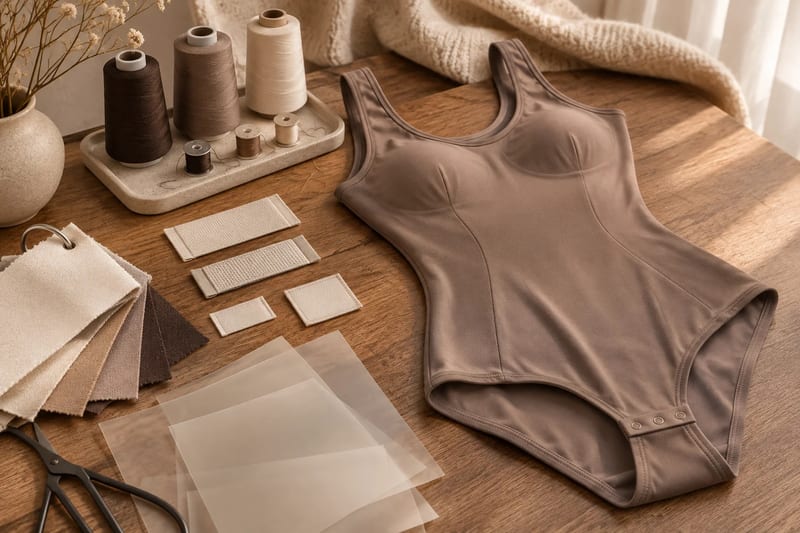
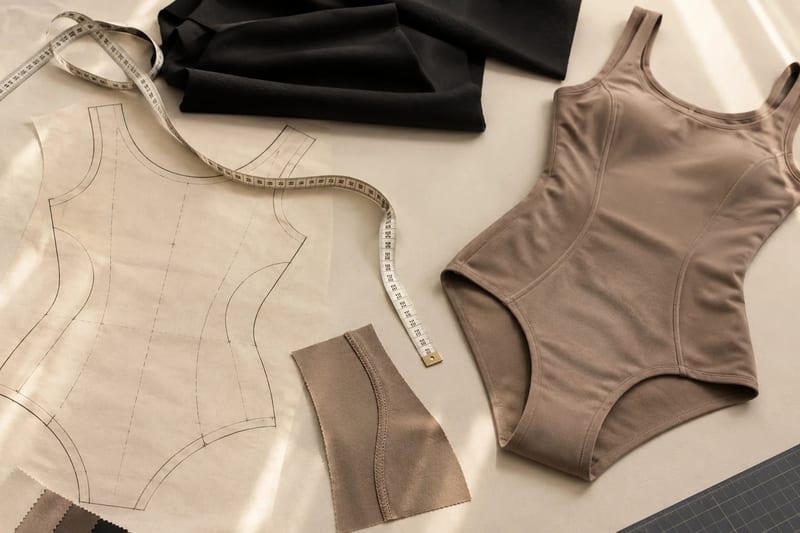
A drawing can communicate silhouette, panel intent, coverage and brand presentation. It can help the supplier identify construction questions and propose development work. It does not establish how the selected textile moves, whether the garment can be dressed comfortably or how the required proportions fit real wearers.
A physical prototype can investigate those questions, but its meaning depends on what it represents. A construction mockup in a provisional material is not the same evidence as a sample using intended production inputs. Ask which decisions the prototype can support and what remains unfinished.
Keep the drawing and sample records linked. If a feature changes during development, update the current technical information rather than allowing the sketch and garment to describe different products. A factory should not have to decide which interpretation controls the next version.
Use appropriate wearer tasks and measurements to evaluate the prototype. Record the size, material, construction and relevant body context. A sample that looks close to the illustration can still fail the required coverage or dressing experience. Conversely, a visually different solution may solve the intended problem more effectively.
Close the comparison with an explicit decision. Identify which feature is feasible as proposed, which needs revision and which requires another type of evidence. Avoid calling the whole design feasible merely because a sample can be assembled or photographed.
| Input | Useful for | Not sufficient alone for |
|---|---|---|
| Design drawing | Communicating silhouette and intended features | Fit, material behavior and repeat production |
| Construction prototype | Investigating assembly or a feature | Final material or complete range approval |
| Intended-material sample | Relevant product trials | Every size and future batch conformity |
| Final specification | Defining accepted inputs | Proof that supplied goods meet the record |
Which Material and Construction Questions Deserve Early Review?
Ask how the chosen textile supports the required movement and shape. Identify the material rather than relying on a description such as premium stretch fabric. A composition statement can be useful, but the full product depends on how the material is used with pattern dimensions and assembly.
Discuss options through S-Shaper’s customization service and request a reason for each proposal. If an available material could meet the brief, compare it with the new option before creating unnecessary procurement work. If the essential result requires a different textile, preserve that requirement and investigate the corresponding commitments.
Review component interactions. Panels, edges, straps, closures and labels can affect comfort, coverage or production handling. Ask the developer to identify any feature whose position or construction depends on another decision. The goal is a workable product, not simply a set of individually attractive parts.
Check the sample under the intended clothing and activities. A low neckline may need more than a visual outline change; a closure may influence dressing and the relationship between garment sections. Record what must be demonstrated physically instead of asking the factory to guarantee every effect from a sketch.
Ask what happens when a material or component becomes unavailable. Identify the approval route for alternatives before the order depends on an unexamined substitution. A feasibility review should define which inputs are essential to the proposed result and which can change without undermining the product, with relevant evidence still required for the actual alternative.
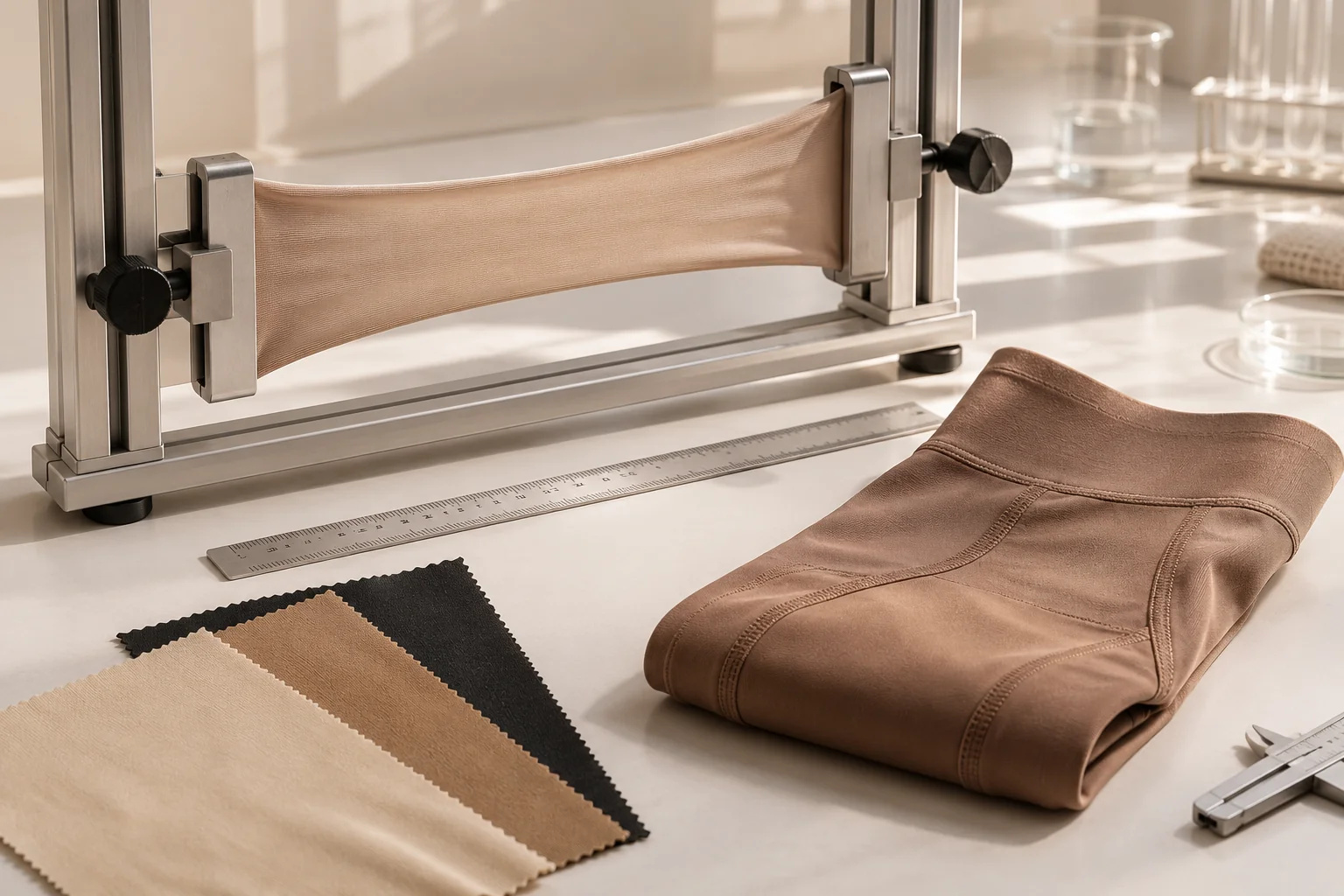
Illustrative sourcing and product-development scene. Click to continue the related buyer guidance.
How Do Size Range and Variant Choices Affect Feasibility?
A design that works in one sample size is not automatically ready for the complete range. Ask how measurements change between sizes and which body proportions matter to the product. Torso length, waist-to-hip relationship and leg openings may require different attention depending on the garment and audience.
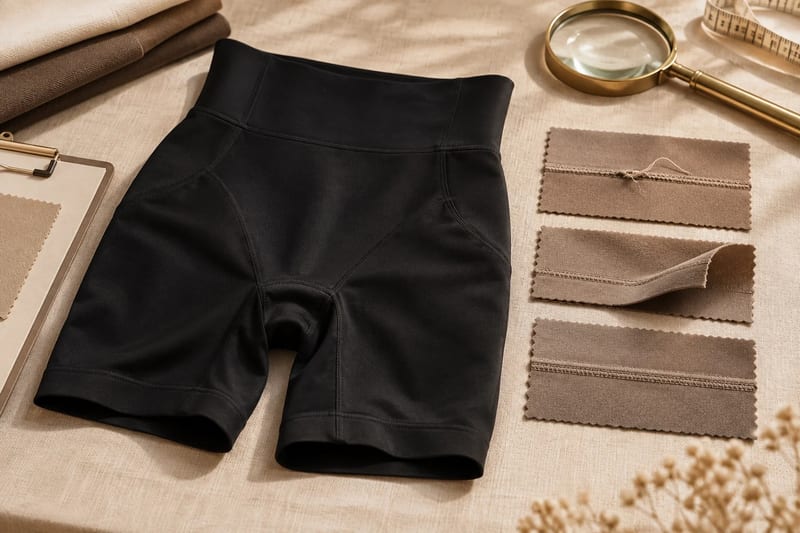
Keep body measurements and finished-garment measurements separate. Agree the method and units for relevant checks. A number taken flat cannot simply be compared with a differently stretched measurement and interpreted as a production error. The feasibility record should state what is measured and why it matters.
Identify the physical samples needed for significant range assumptions. Do not prescribe a universal number without considering the design, but do not allow an attractive middle-size fitting to authorize every size silently. Ask what evidence supports the untested proportions and which further trials would change the release decision.
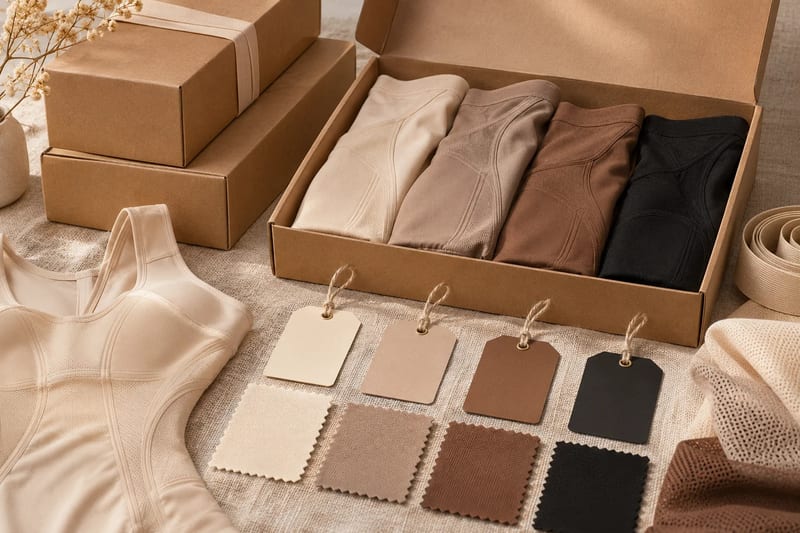
Count optional complexity before it enters the plan. One style, three colors and five sizes produces 15 SKUs. Two construction versions using the same color and size structure produce 30. These are arithmetic examples, not a recommended range or evidence that the supplier accepts the allocation.
Use the count to ask better questions. Does a second version require separate materials or samples? Can the intended colors share a feasible supply route? Are size identifiers and packing records manageable? Commercial feasibility and product suitability should be considered together, while keeping each unresolved condition visible rather than solving the budget by removing essential size coverage.
| Illustrative range | SKU calculation | Question it raises |
|---|---|---|
| One style, three colors, five sizes | 1 × 3 × 5 = 15 | Which combinations and material conditions qualify? |
| Two versions, three colors, five sizes | 2 × 3 × 5 = 30 | Which development and supply work repeats? |
| One approved sample size | Limited physical evidence | Which remaining proportions need verification? |
How Can Four-Channel Prices Inform a Design Feasibility Decision?
Technical possibility and affordable procurement are different questions. This snapshot frames consumer product offers and two different advertised B2B fabrication scopes. Its broader retail rows span several constructions, so compare actual basic seamless and structured garments separately. The observations do not establish that an illustrated design can be made at a listed finished-stock price or on the same terms.
| Channel / buying model | Observed USD per garment | Product and order basis |
|---|---|---|
| Amazon US retail bodies | $12.38–$35.14 | Seamless/lighter bodies $12.38–$19.99; Structured bodies $35.14–$35.14. |
| Brand DTC bodies | $29.99–$148.00 | Seamless/lighter bodies $29.99–$78.00; Structured bodies $69.00–$148.00. |
| TikTok Shop US bodies | $21.99–$54.99 | Seamless/lighter bodies $21.99–$46.99; Structured bodies $39.99–$54.99. |
| B2B advertised OEM bodies | $4.25–$8.30 | Rihope/Shangyou garment offers; listing MOQ 600/100; own-design terms reconfirmed |
| B2B custom shiny-fabric example | $22.00–$23.00 | Hucai FOB garment example, MOQ 200; a different fabrication; development fees unconfirmed |
B2B finished-garment bands are generally below consumer tickets because quantities and downstream responsibilities differ; custom development may sit outside the observed acquisition range. Promotions on Amazon or TikTok Shop, B2C positioning and physical specifications also affect the spread. None proves a national manufacturing advantage or a guaranteed margin for a new design.
Ask suppliers to price the actual feasible construction, material and matrix after the critical technical questions are understood. Quote alternatives against the same essential wearer benefit. A cheaper platform is not an equivalent solution if it removes that benefit, while a higher consumer ticket cannot by itself justify a development commitment the startup has not validated.
US-facing USD per single garment, reviewed November 10, 2026. Amazon uses dated May–October 2026 third-party PriceHistory snapshots, not live November checkout. These selected-seller observations are not industry averages or matched-quality comparisons. Variants and promotions change; shipping and tax are not normalized. B2B bands describe advertised garments, not landed costs or a final custom-development quote. Sources: dated PriceHistory Amazon records, official brand/TikTok Shop pages and Made-in-China supplier listings.
Which Shapewear Manufacturers Can Contribute to a Feasibility Review?
Compare the technical question each route can address. Direct development, integrated seamless production and material research can all be relevant, but their capability descriptions need to become a product-specific review with identified evidence and commercial conditions.
China Shapewear Manufacturer: Connect the Brief to Production Decisions
China shapewear manufacturers with development and production roles should connect the sketch, material and intended wearer result, identifying what requires a sample before the design becomes a manufacturing commitment.
S-Shaper
S-Shaper describes material, function and trend recommendations with design, QA and export expertise for international brands. Ask its development team to distinguish a suitable existing platform from essential new work and explain the next evidence gate. Public price tiers and item-testing statements can inform the starting budget, but the selected construction and variants need confirmation. Check material availability, sample scope and approval dependencies before using a general production duration in the plan.
Turkey Shapewear Manufacturer: Test Seamless Process Fit
For Turkey shapewear manufacturers with integrated seamless facilities, review the design against the actual yarn, knitting, dyeing and finishing route rather than assuming every illustrated structure suits the same process.
SML Seamless
SML identifies private-label shapewear from yarn through packing. That makes connected process questions appropriate when the garment fits a seamless platform. Ask about grading, relevant sample stages and the effect of proposed material or color changes. Integration does not establish a universal MOQ or proof that your design is reliable. Confirm the particular material, construction and commercial scope, with samples addressing the requirement rather than a country-level quality assumption.
Portugal Shapewear Manufacturer: Investigate Material and Construction Gaps
Research-oriented Portugal shapewear manufacturer proposals may contribute when feasibility depends on unresolved material or construction behavior, with development and validation work distinguished from selecting an already suitable garment platform.
Impetus
Impetus describes research partnerships, seamless and cut-and-sew development, and physical or chemical testing functions. Ask which capability addresses the actual design question and what sample or record would support the next decision. No verified startup minimum or price premium is established here. Quote the relevant work and material commitments. This route suits a technical gap that justifies investigation, not an assumption that every new sketch needs a broad research program.
France Shapewear Manufacturer: Check the Design Under the Intended Outfit
France shapewear manufacturer and development comparisons can focus on occasion-specific feasibility, asking whether the proposed coverage, neckline and presentation actually work under the clothing that defines the product’s use case.
Gilsa Paris
Gilsa specializes in invisible-lingerie applications including bridal, backless and difficult necklines, with adaptation and own-label development alongside resale. An existing suitable solution may reduce the technical work required. Confirm product-dependent minimums and the scope of any adaptation, components or packaging. French service does not establish the origin of each garment. Evaluate the proposed product and supply arrangement rather than using the country as proof that a demanding outfit requirement is solved.
Choose the route that can resolve the design’s critical uncertainty, then keep any approval conditional until the necessary product evidence and scope are confirmed.
What Should the Feasibility Decision Record Before Sampling or Production?
Write the outcome against each essential requirement. Mark it supported, requiring a defined revision or awaiting evidence. Avoid an overall score that lets several easy presentation items outweigh an unresolved fit or construction blocker. The founder should understand why the next step is justified.
Identify the sample and tests needed to close open conditions. Discuss appropriate records through S-Shaper’s quality-assurance process. Keep capability statements, preliminary predictions and actual sample observations separate. A review is more useful when it describes its limits clearly than when it issues a broad guarantee.
Update the specification and quote when changes are accepted. Preserve what was deferred or rejected so it cannot return as an ambiguous instruction later. Ask the supplier to acknowledge the current baseline and the exact work authorized by the next payment or release.
Review the supply and dispatch handoff once the product route is stable. A feasible garment is not automatically ready inventory; materials, approved components, production checks and receiving preparation still need their stages. Distinguish the planning target from a customer-facing delivery promise.
Revisit feasibility if an essential input changes after approval. Another material, construction or proportion can invalidate earlier observations. The record should make it clear which decisions remain valid and which need renewed evidence, allowing the startup to proceed deliberately rather than relying on a reassuring assessment of an earlier design.
How Can S-Shaper Help Review a Shapewear Design Before Commitment?
S-Shaper presents OEM/ODM, customization and quality-related services that can help a founder connect a design idea with manufacturing questions. Its public offering provides a starting framework, while the actual review should focus on the garment, intended customer and evidence needed before the first order.
Share the sketch or reference, wearer problem, essential requirements, size direction, target market and quantity assumptions. Ask the team to identify suitable platforms, technical uncertainties and a sample route that can answer them. The order FAQ provides preliminary context; confirm the current conditions for the selected design and service scope.
To start, request a design feasibility discussion with S-Shaper. A useful response should name the next technical and commercial decision, not simply approve an attractive drawing. Keep the brand’s final product approval connected to the evidence actually obtained during development.
FAQ: What a Shapewear Design Feasibility Review Should Cover
How do I know whether my design can be manufactured reliably?
Review the proposed material, construction, measurements, size range and supply route against the intended wearer result. Ask which assumptions require samples or further technical evidence. Reliability is not established by a drawing or a general factory capability statement alone.
Can a prototype prove the complete range is feasible?
Only within the scope it actually represents. Identify its size, material and unfinished elements, then determine which proportions or features need further review. A mid-size construction sample cannot automatically validate every size or final production input.
Should I simplify the design if the quote is too high?
Investigate which optional features or sourcing choices create the commitment, while preserving the essential wearer benefit. Request a revised proposal and the evidence needed for the alternative. Do not call the original requirement feasible after silently removing its defining function.
What should a review report include?
The requirement, available evidence, unresolved issue, proposed response, owner and next approval condition. Keep critical blockers separate from general scores. Identify the sample version and quote assumptions so the record can be updated when the product changes.
When should feasibility be reviewed again?
When an essential material, construction, size or component assumption changes, or when sample evidence contradicts the proposed solution. Reassess the affected decisions before release. A positive review of one version is not a permanent approval for all later substitutions.